Economic Development
Small Manufacturing, Big Impact: How Local Makers Can Revitalize Main Streets

Over the past decade, small-scale manufacturing has emerged as one of the most promising strategies for revitalizing downtowns. Particularly in small communities, local makers can diversify employment, strengthen economic resilience, and breathe new life into underutilized commercial districts. Unlike many industries, small-scale manufacturing creates opportunities for entrepreneurship and business ownership while producing tangible goods that keep wealth circulating within the local economy.
Most small-scale manufacturers require less than 5,000 square feet of space, with many operating in just 1,000 to 2,000 square feet—or even less. This flexibility allows them to occupy vacant storefronts, repurpose older buildings, or thrive in shared workspaces. They produce an impressive variety of goods, from specialty foods and furniture to apparel, consumer products, and advanced hardware.
These businesses already exist in nearly every community, though they often remain hidden from view. Many operate from garages, home workshops, or shared studios because affordable commercial space is difficult to find. With the right support, however, these local makers can become vibrant contributors to downtown economies, attracting visitors, creating jobs, and strengthening community identity.
This article explores several common types of small-scale manufacturers and highlights the spaces and policies that can help them succeed.
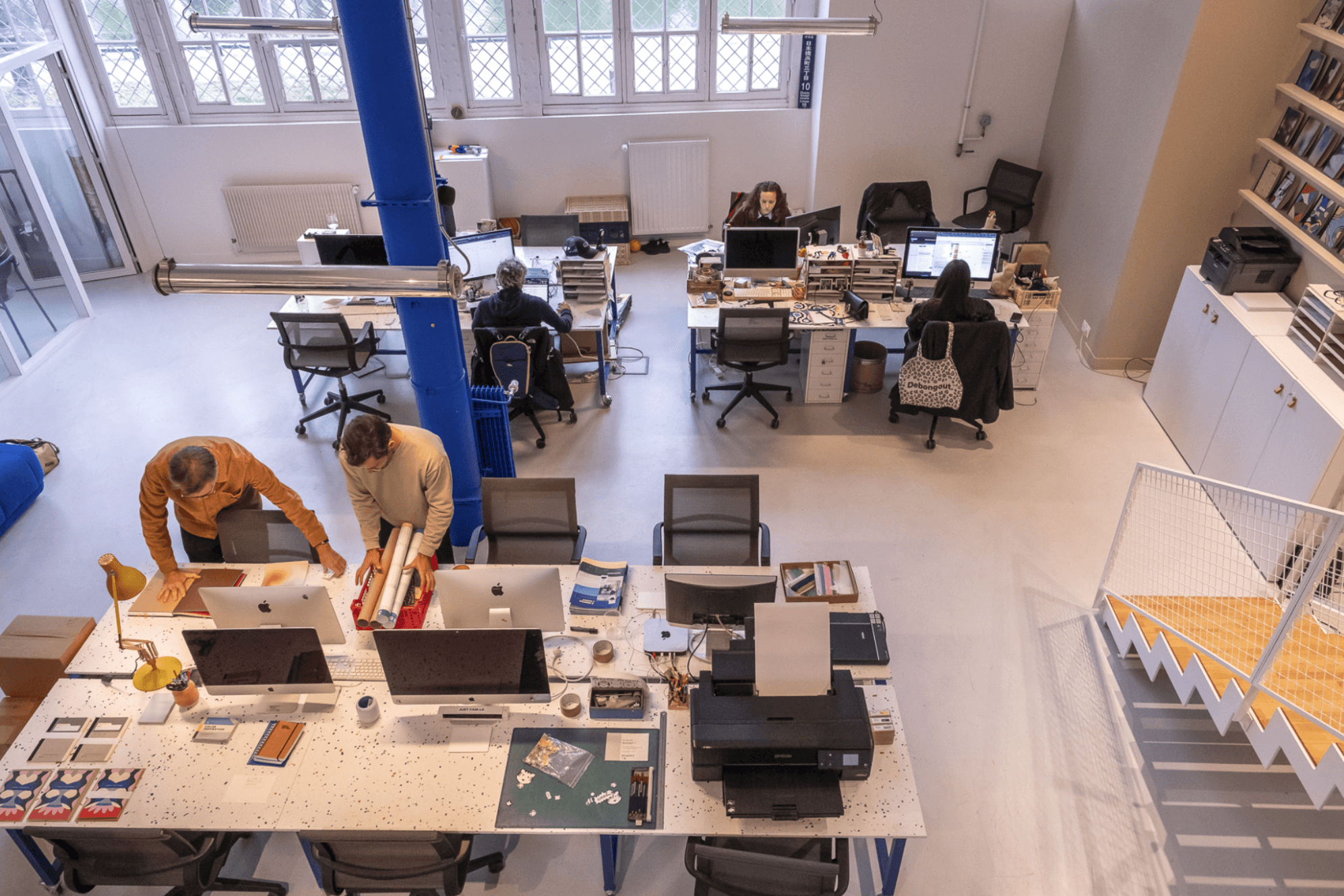
Fabriqué à Paris - a collaborative artisan space.
Artisan Businesses and Microenterprises
Artisan businesses and microenterprises are often the smallest manufacturers, employing between one and five people. They typically sell products through local markets, independent retailers, or online storefronts while producing goods by hand or in small batches. Although many require only 500 square feet or less, finding affordable and appropriately zoned space remains a significant challenge. Many artisans hope to grow their businesses but struggle to take the next step without dramatically increasing overhead costs. Communities can support these entrepreneurs by creating opportunities to test and expand their businesses gradually.
One successful model is the shared retail storefront, where multiple makers collectively lease a single commercial space. Paris has embraced this approach through La Maison du Label "Fabriqué à Paris," a city-supported shared boutique and workshop where local artisans rotate through a common retail space, gaining visibility without the cost of maintaining an independent storefront. Shared spaces like these reduce costs for individual businesses while creating a more dynamic shopping experience for residents and visitors alike. Municipalities can also increase opportunities through regular markets, maker fairs, and seasonal festivals that introduce residents to businesses that might otherwise remain invisible.
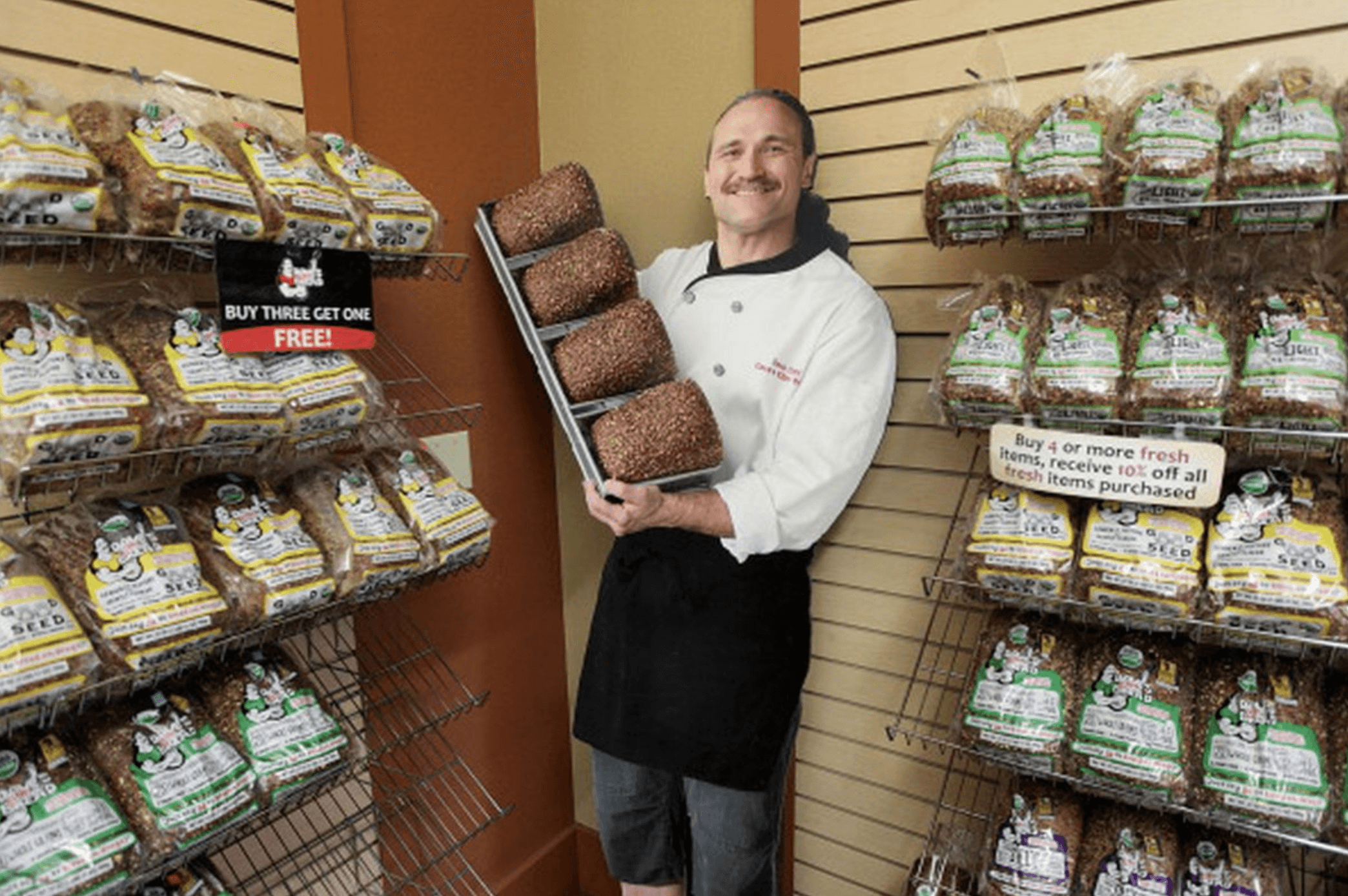
Dave’s Killer Bread.
Scaling Micromanufacturing
As businesses grow beyond the earliest stages, their needs begin to change. A home workshop or shared studio may no longer provide enough room for additional equipment, inventory, or employees, yet leasing a large industrial building can be financially unrealistic. This "missing middle" represents one of the greatest barriers facing small manufacturers. Communities that offer flexible spaces between 1,000 and 5,000 square feet can help businesses expand without forcing them to relocate outside the community. Older downtown commercial buildings, small industrial flex spaces, and adaptable mixed-use buildings can all serve this important role.
Some of today's most recognizable local brands followed this kind of gradual growth trajectory. Dave's Killer Bread, which began as a family-owned bakery in Milwaukie, Oregon, expanded production over time while maintaining strong ties to its local community and regional identity before eventually becoming a nationally distributed brand. While not every small manufacturer will reach that scale, the principle remains the same: businesses are far more likely to grow when they can move incrementally into larger spaces without severing their connection to the downtown districts, customers, and local workforce that helped them succeed.
Municipalities can further support scaling manufacturers by ensuring zoning regulations allow light industrial and production uses in appropriate commercial districts. Streamlined permitting, façade improvement programs, and small business assistance can make it easier for entrepreneurs to invest locally rather than seeking space elsewhere. By helping businesses grow incrementally, communities retain jobs, increase commercial occupancy, and strengthen their local business ecosystem.
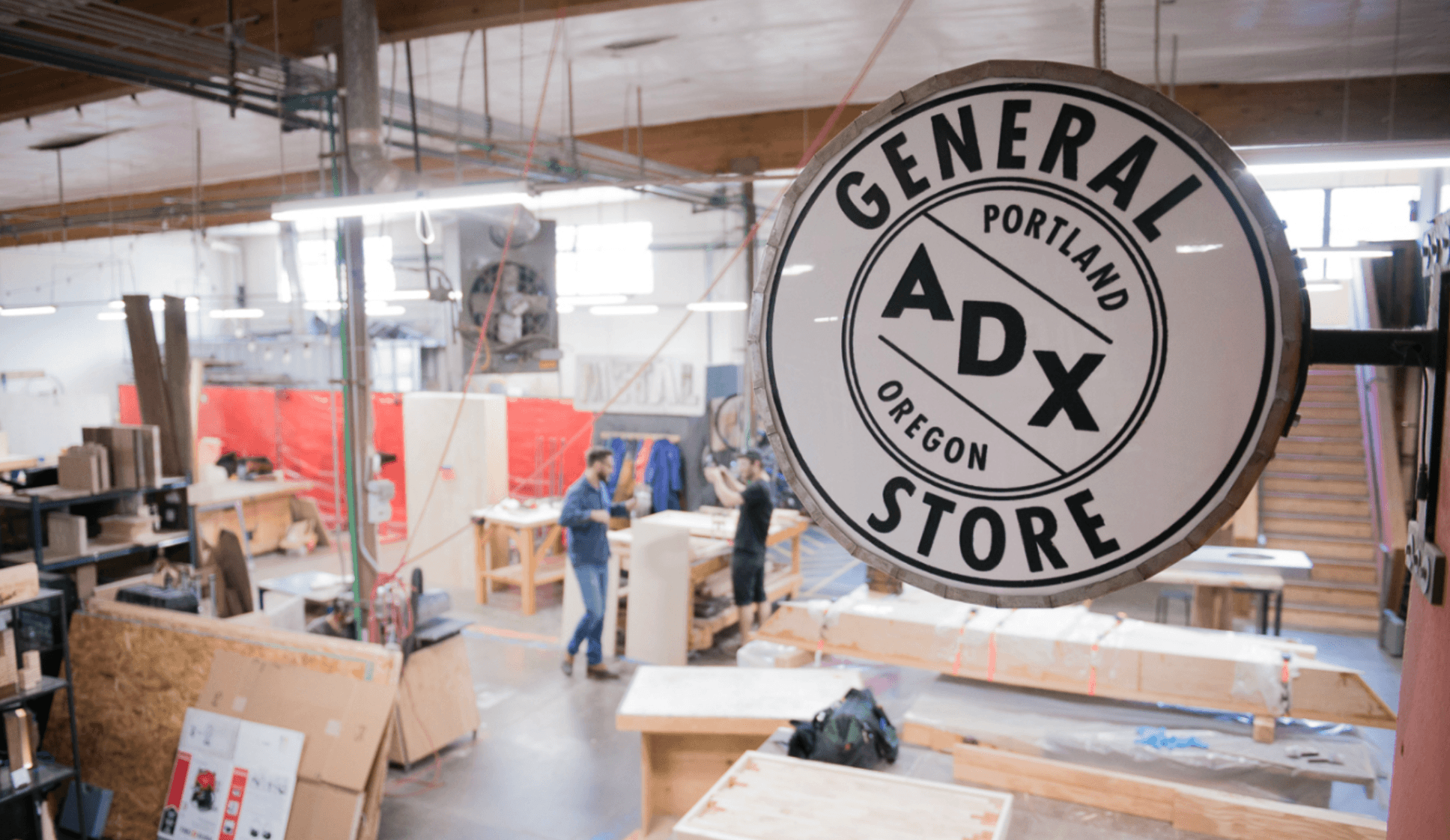
ADX Portland maker workshop.
Shared Kitchens, Woodshops, and Textile Spaces
Shared production spaces can dramatically reduce the barriers to starting and growing manufacturing businesses by offering specialized equipment and workspace on a flexible basis. Commercial kitchens, community woodshops, textile studios, maker spaces, and fabrication labs provide access to tools that would otherwise require significant upfront investment. In Portland, Oregon, for example, ADX has helped hundreds of makers and small manufacturers launch and grow businesses by combining shared workshops, private studios, educational programming, and a collaborative community under one roof. Facilities like these allow entrepreneurs to test products, build customer bases, and increase production before investing in their own permanent space. They also foster collaboration, knowledge sharing, and mentorship among local entrepreneurs, helping businesses solve challenges together rather than in isolation.
For municipalities, shared production spaces represent a relatively modest investment with significant community benefits. They activate underutilized buildings, support entrepreneurship, create workforce development opportunities, and encourage innovation across multiple sectors. Partnerships with educational institutions, economic development organizations, nonprofit operators, and private developers can make these facilities both financially sustainable and widely accessible.
Building a Stronger Local Manufacturing Ecosystem
Small-scale manufacturing is more than an economic development strategy—it's an investment in local resilience. Every artisan workshop, specialty food producer, furniture maker, or small fabrication business contributes to a more diverse and adaptable local economy. Together, these businesses create jobs, activate vacant buildings, attract visitors, and reinforce the unique identity of a community.
Municipalities have an important role to play in making this possible. By providing flexible spaces, modernizing zoning regulations, supporting shared production facilities, and creating clear pathways for business growth, local governments can help entrepreneurs thrive at every stage of development.
Strong downtowns are built not only through retail and housing, but also through places where people create, innovate, and manufacture. Supporting local makers means investing in businesses that are rooted in the community and positioned to grow alongside it.
If you're ready to take the next steps, consider reaching out to HSC for tailored planning and economic development support.