Economic Development
Turning Traffic Into Opportunity: Reimagining Small-Town Tourism
Tourism can be a powerful driver of economic development, bringing new markets, increased spending, and greater visibility to a community. Yet there is a persistent misconception that growth in tourism requires large-scale investments such as hotels, major attractions, and significant infrastructure. These approaches are often expensive, slow to implement, and, for many small towns, misaligned with the community’s character, capacity, and long-term goals.
For smaller communities, the most effective tourism strategies are instead built by leveraging pre-existing assets and opportunities. They reflect what a place already is, rather than trying to transform it into something else.
Across Oregon and the Pacific Northwest, many small towns are situated along major recreation routes, scenic highways, and commuter corridors. Every week, thousands of people pass through these communities on their way to mountains, rivers, trailheads, or nearby cities. The opportunity, then, is not always to attract entirely new visitors, but to capture the attention of those already moving through the region.
This represents a fundamental shift in perspective, from thinking about tourism as attraction to thinking about it as interception.
A driver heading toward the mountains may not have planned to stop, but that decision can change quickly if something offers a clear and compelling reason to pause. A cup of coffee, a local restaurant, a walkable downtown, or a scenic viewpoint can turn a brief stop into a meaningful experience. When that experience is positive, it often leads to something more valuable, a return visit made with intention.
The Day Trip Economy is Undervalued
For many small communities, especially those without lodging infrastructure, the most realistic and impactful tourism strategy is not overnight stays, it’s day trips.
Day visitors still contribute to the local economy by supporting businesses and generating revenue, but they do so without placing the same demands on infrastructure as overnight guests. This makes day trips a practical and scalable strategy that aligns with existing conditions.
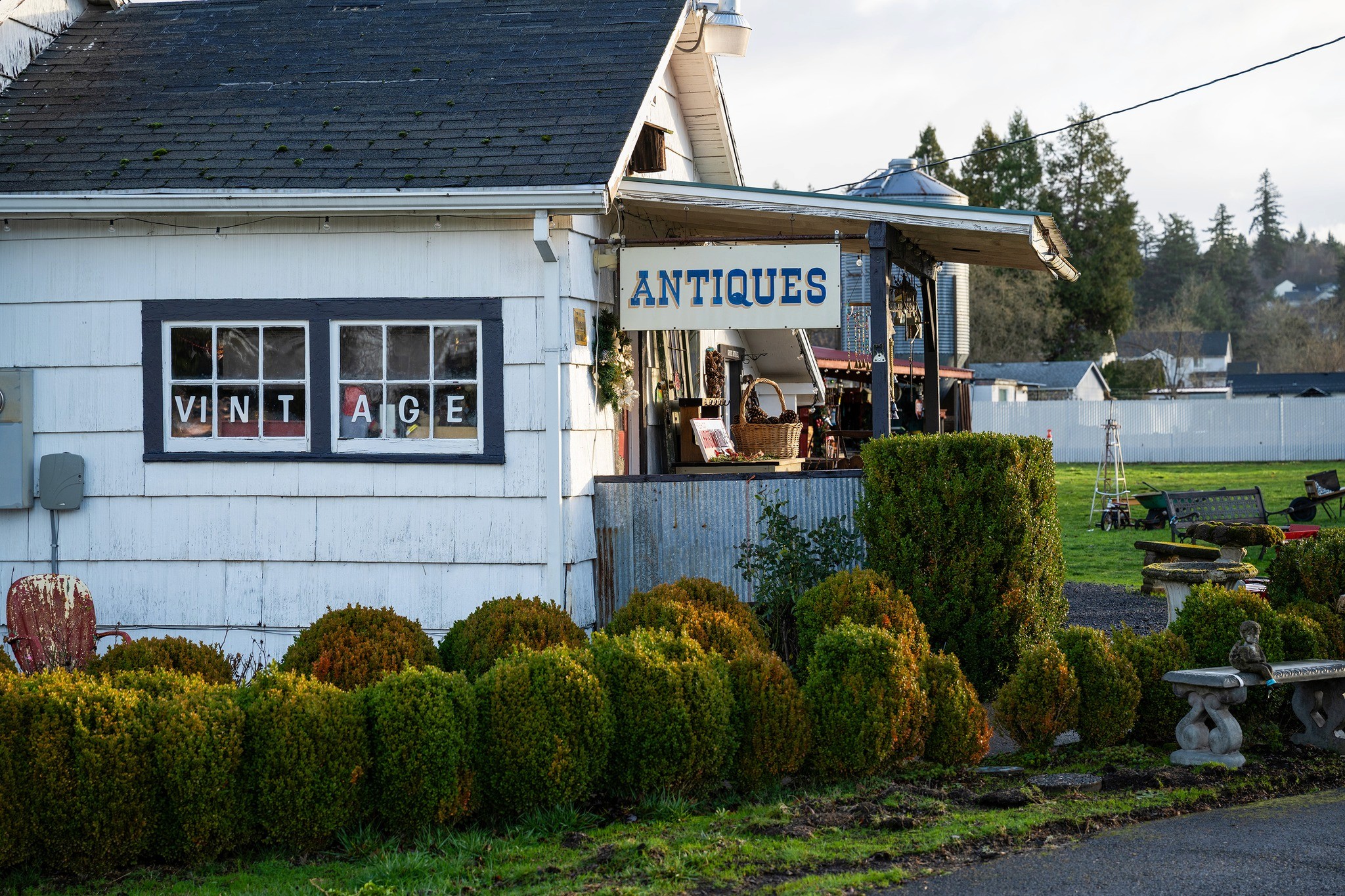
The key question becomes: how do you create a reason for someone to stop, even briefly? In many cases, the answer lies in what already exists. That might be an event, a local restaurant, a scenic viewpoint, a walkable downtown, or even just a strong visual identity that signals, “this place is worth your time.”
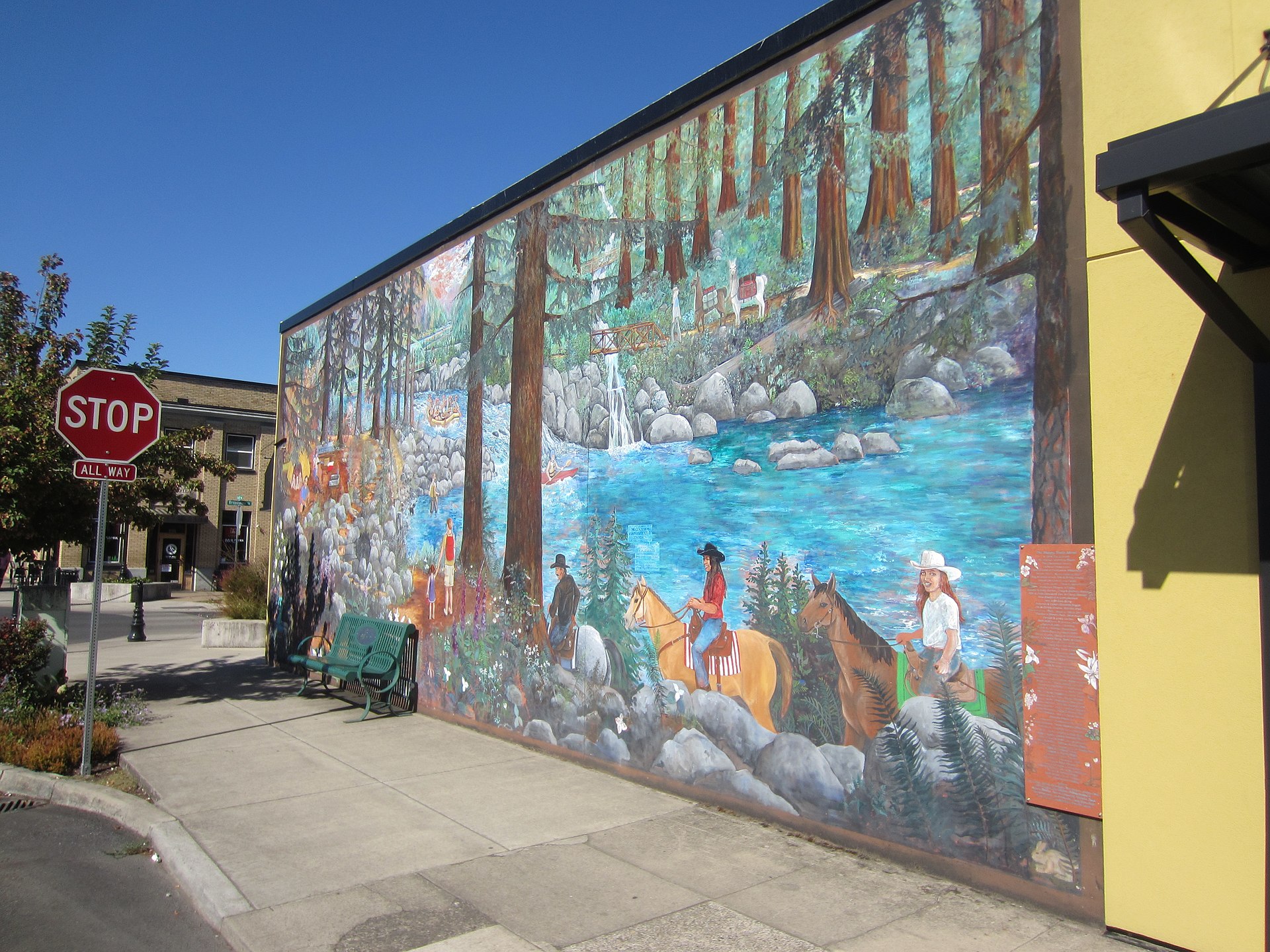
One large-scale mural in Estacada's growing mural network.
Strategies for Increasing Day-Trip Visitors
Increasing Visibility
In many cases, the answer lies in visibility and experience. Communities often already possess the necessary assets, such as natural beauty, unique local businesses, community events, and a strong sense of identity, but those assets are not always clearly communicated. If visitors are unaware of what exists, they are unlikely to engage with it.
A strong digital presence plays an important role in shaping perception before a visitor even arrives. Clear messaging, compelling visuals, and simple suggestions for how to spend time in the community can transform how a place is understood. Instead of being seen as a point along a route, it becomes a place worth exploring.
Designing for the Stop
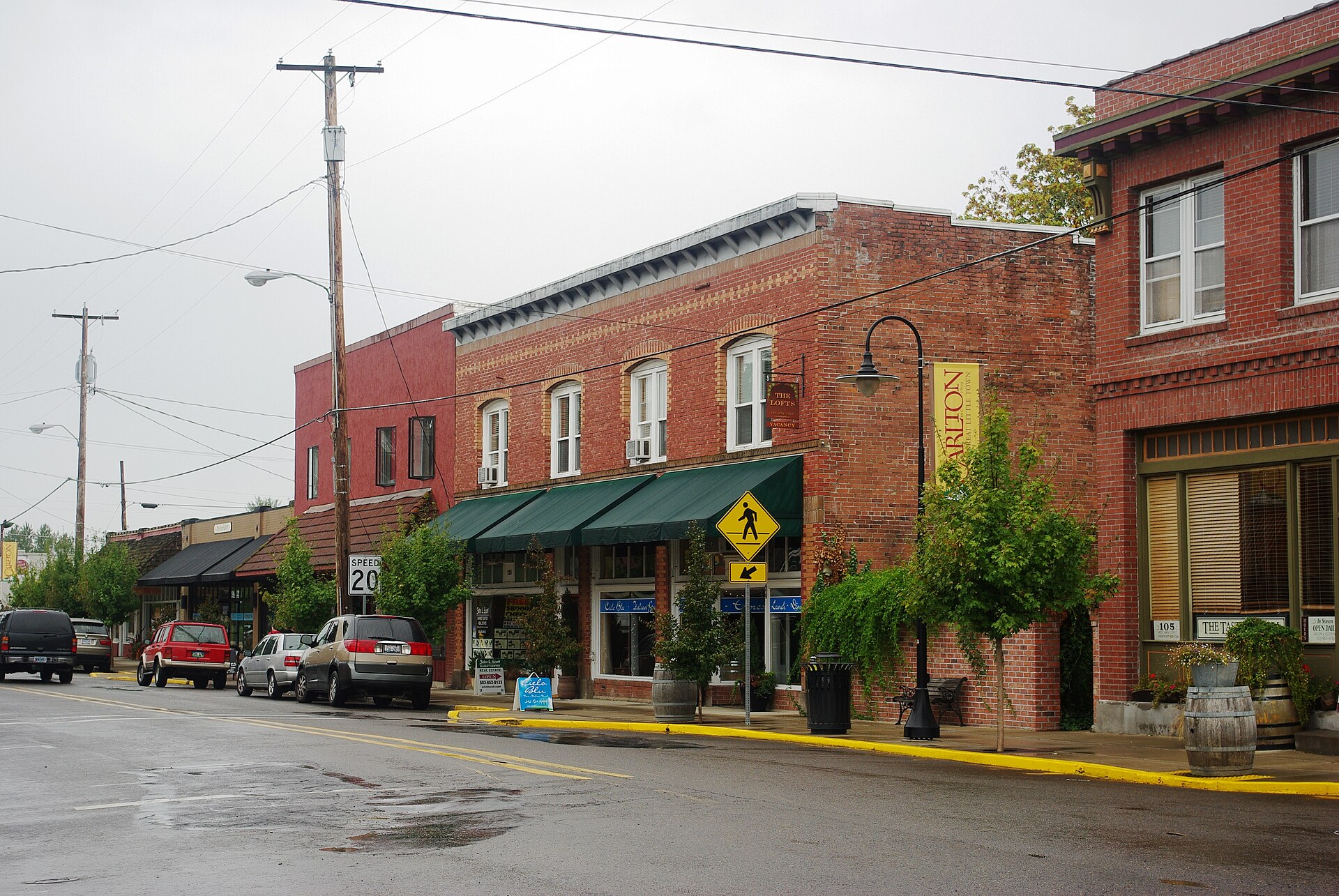
Just as important as online presence is the physical experience of the community. The decision to stop is often influenced by immediate, visual cues. A welcoming downtown, visible activity, or a distinctive feature such as public art can signal that a place is active and engaging.
These signals do not need to be large or complex to be effective. In many cases, small and intentional design choices have the greatest impact. A clearly defined main street, a well-placed sign, or a vibrant storefront can shift perception in an instant. The goal is to create an environment that invites curiosity and encourages exploration.
Start Where You Are
Gaining clarity about where you are is the first step in designing a tourism strategy that is impactful and in alignment with the community. Start by asking questions like what do we already have? Where do people already stop? What would make them stay longer?
Figuring out what the strengths and weaknesses are in your community can help make existing assets more visible, more accessible, and more intentional. Building on the community fabric, such as an underutilized downtown or a local event, can result in more authentic and sustainable growth.
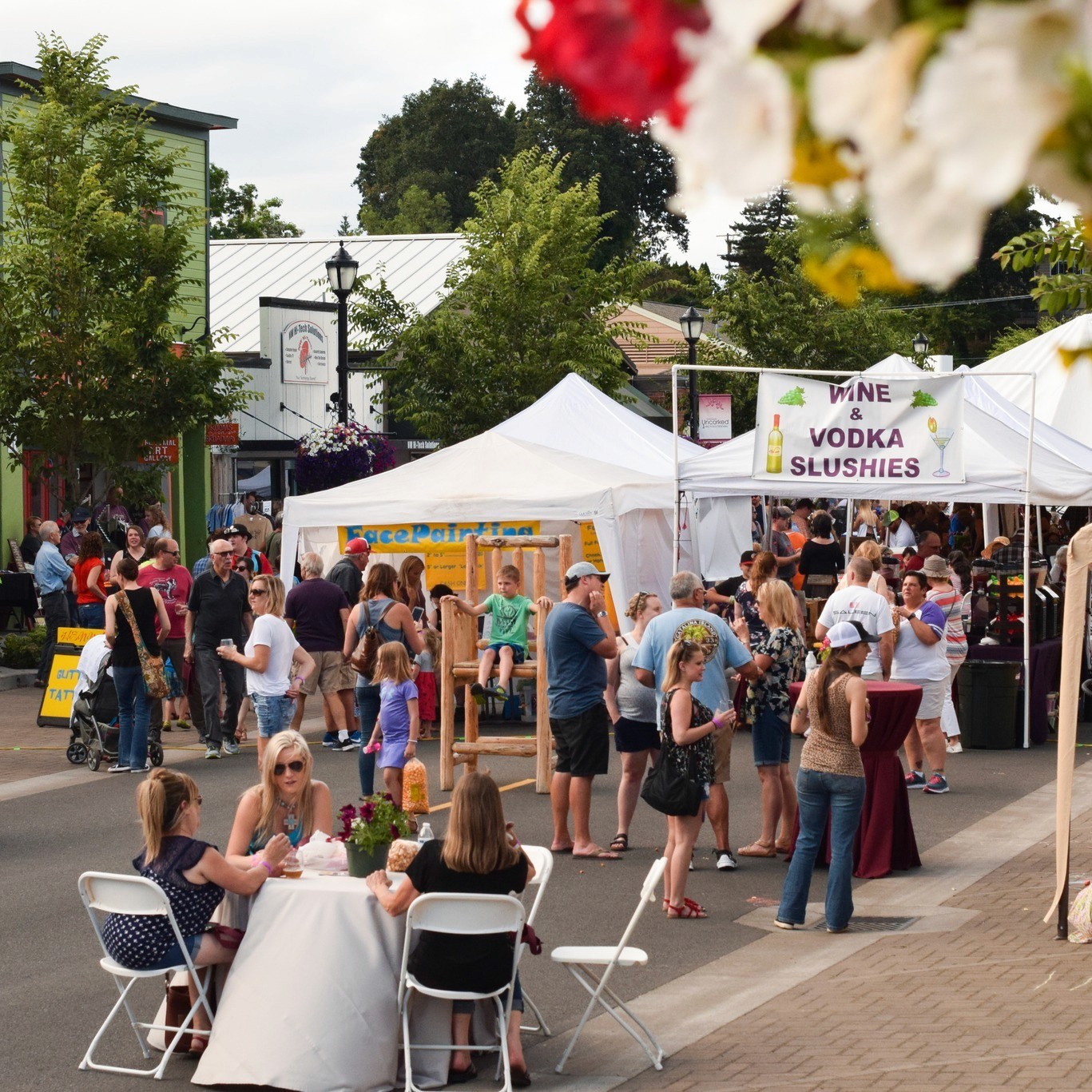
Street festivals and local events can draw in new audiences if they are strategically positioned.
A Different Way of Thinking
In the end, small-town tourism requires a different way of thinking, one that focuses on capturing opportunity already in motion. Communities do not need to draw visitors from afar if they can effectively engage the people who are already passing through. Sometimes, the difference between being overlooked and being experienced is as simple as giving someone a reason to stop.
For communities looking to make this shift, moving from pass-through to intentional destination doesn’t require massive investment but it does require clarity, coordination, and a willingness to think differently about what tourism can be. The opportunity is often already there; the challenge is capturing it in a way that aligns with the community’s identity and goals.
If your community is ready to take that next step, thoughtful strategy and experienced guidance can help turn everyday traffic into meaningful economic activity. If you’re exploring how to better position your city, consider reaching out to HSC for tailored planning and economic development support.