Economic Development
Four Lessons Small Towns Can Learn from the Innovation District Model
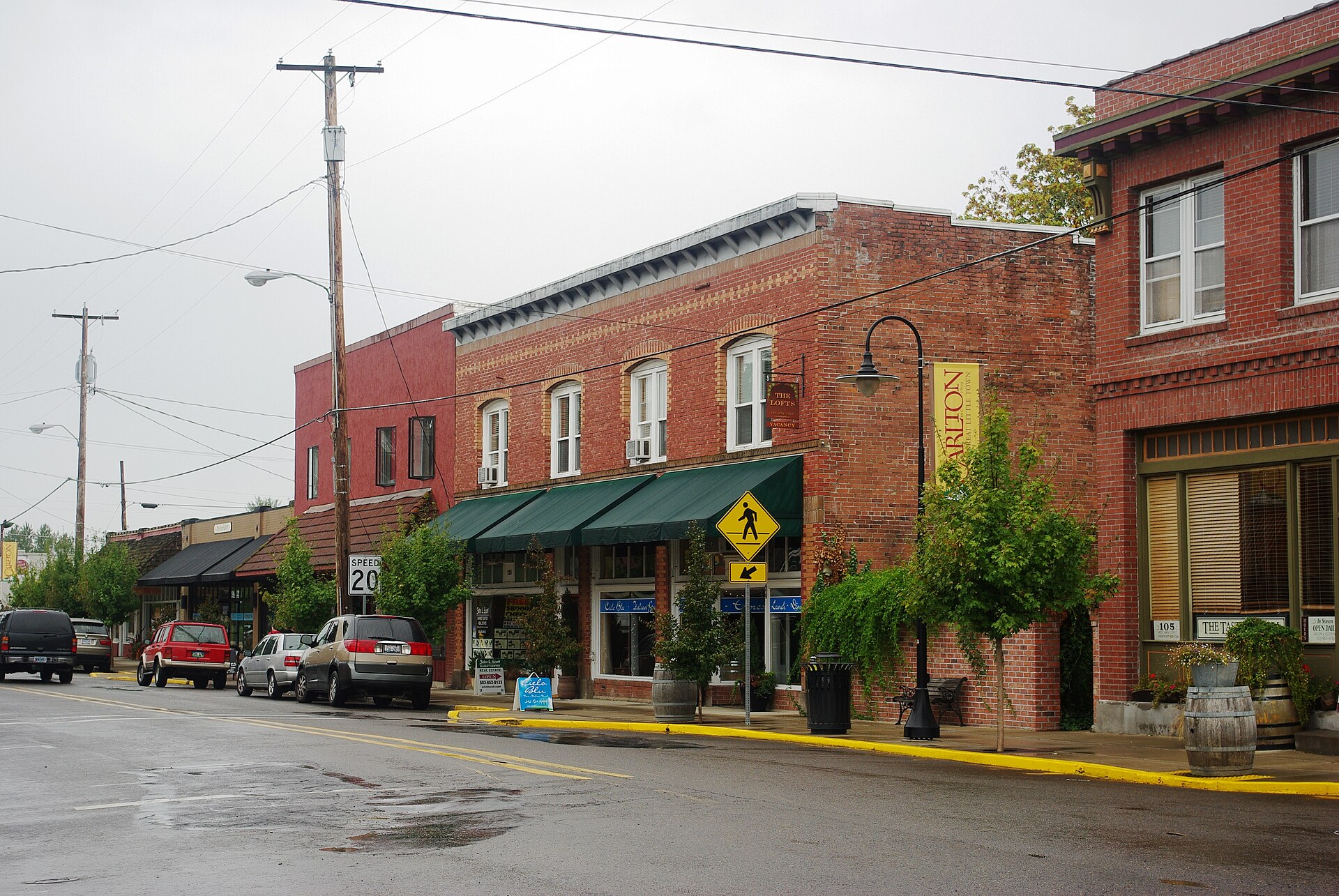
Across the US, small towns have been struggling to maintain energy, investment, and activity in downtown areas. They may have seen a decline in foot traffic, population growth, or occupancy, pushing many to consider new and creative ways to restore vibrancy in the community.
One strategy that has gained international popularity is the innovation district model. At their core, innovation districts are mixed-use areas which bring together firms, institutions, and startups in close quarters to provide opportunities for knowledge exchange, collaboration, and resource sharing.
Perhaps the most well-known example is Silicon Valley, where venture capital, universities, firms, and highly-skilled workers have produced the most productive innovative ecosystem in the world. Many large cities like Seoul, Amsterdam, and London have invested heavily in innovation districts, hoping to replicate these conditions. But how might this model translate to small towns?
Large cities often use innovation districts to concentrate economic activity in a specific neighborhood. They may designate a waterfront, industrial area, or redevelopment zone as a designated zone for investment and entrepreneurship. On the other hand, small towns have a unique advantage: they do not necessarily need to concentrate activity in one district because their downtown already functions as a central gathering place. In many ways, a small-town downtown can be viewed as its own innovation district, bringing together businesses, public spaces, community institutions, and residents within a highly walkable area.
While small towns may not be able to replicate Silicon Valley, they can still learn from the principles that make innovation districts successful. Below are four lessons communities can integrate to better support local businesses and entrepreneurship.
Lesson 1: Prioritize Invisible Infrastructure
Many large cities focus on the physical side of innovation districts, like offices, amenities, or infrastructure, but the most critical success factors are all invisible. Trust, networks, and relationships have been proven to be the most important factors that support innovation and local businesses. Small towns have a great advantage here because they often already have strong connections and community ties.
Investing in strengthening these invisible assets can support new businesses and economic activity; mentorship networks, business associations, educational partnerships, and community collaboration often matter more than the physical space itself. Hosting co-working days at a local cafe, business appreciation events, or networking opportunities can increase connections between entrepreneurs in the community, whether they’ve launched their idea or are still dreaming it up.
Investment in invisible assets should be the first priority when uplifting entrepreneurial ecosystems.
Lesson 2: Protect Affordability
Small businesses often operate on tight margins, which means that they need support that is mindful of these constraints. Large cities can be exclusionary to small businesses due to their competitiveness and higher rents, but small towns can offer space and infrastructure that is more accessible.
Affordability can be facilitated through shared spaces, like maker spaces, commercial kitchens, or co-working spaces. This can offer an affordable entry point for entrepreneurs who may not be able to afford dedicated facilities. A startup bakery, small manufacturer, artisan business, or technology company may only need access to shared equipment and low-cost space to get off the ground.
These types of facilities allow communities to support local entrepreneurs without requiring the scale or investment associated with a traditional innovation district. More importantly, they create opportunities for entrepreneurs to connect with one another, share ideas, and build relationships.
Lesson 3: Revitalization Through Activation
Innovation districts are frequently used as urban renewal strategies, often developed in areas that are underutilized or in decline. The Boston Seaport, Brooklyn Navy Yard, and London Docklands have all undergone significant transformations through targeted investment and economic development efforts.
For small towns, the opportunity may be even more straightforward. Rather than creating a new innovation district from scratch, communities can focus on strengthening the downtown they already have. While large cities concentrate investment into a single neighbourhood, many small towns already possess a natural hub where businesses, residents, events, and public spaces intersect.
In this sense, downtown itself can function as a community-wide innovation district. Vacant storefronts, former public buildings, and underused commercial properties can become opportunities for entrepreneurship, community gathering, business incubation, or creative industries.
The key lesson here is that activity supports activity. When people see businesses opening, events occurring, and investment taking place, confidence begins to return. Over time, that momentum can attract additional businesses, visitors, and investment into the area.
Lesson 4: Leverage Existing Strengths
One reason many innovation district strategies struggle is that they attempt to create entirely new industries from scratch. Large cities usually aim to attract competitive, high-yield industries such as AI, biotechnology, or finance, but small towns often achieve better results when they build upon existing strengths.
For one community, this may be advanced manufacturing. For another, it may be agriculture, tourism, outdoor recreation, healthcare, or food production. To achieve long-term, sustainable growth, communities must ask themselves what unique strengths they already possess and learn how to help local businesses build on them. By supporting local industries and helping entrepreneurs build upon them, communities can create growth that is both sustainable and authentic to the place.
The Future of Small Town Innovation
The real lesson from successful innovation districts is about creating environments where people, businesses, and institutions connect with one another and generate new economic opportunities. Small towns do not need world-class universities, an abundance of venture capital, or tech companies to foster innovation. What they do need are strong networks, affordable opportunities, active downtowns, and a willingness to invest in the assets that already make their community unique.
In fact, many small communities already possess something that large cities spend millions trying to create: a central place where people naturally gather. While major metropolitan areas often rely on innovation districts to concentrate activity into a specific neighbourhood, small towns can view their downtowns as innovation districts in their own right. By activating these spaces and supporting the businesses within them, communities can create environments where entrepreneurship, investment, and innovation are woven into the heart of everyday community life.
If your town is looking to strengthen its downtown, support entrepreneurs, or build a more resilient local economy, HSC can help turn those ambitions into a practical and actionable strategy.